Spain Itinerary: A Grand Tour of Madrid, Andalusia, and Historic Toledo
Embark on a 7-day train journey through Spain, starting in the vibrant capital of Madrid. Discover the ancient city of Toledo on a day trip, then travel south to experience the rich history and culture of Seville and Granada in Andalusia.
- 1Madrid
- 2Seville
- 3Granada
Day 1: Arrive in Madrid
Arrive in Spain's capital, Madrid, and settle in before an initial exploration of the city center, including the iconic Plaza Mayor.
Highlights
- Reach Madrid city center from Adolfo Suárez Madrid–Barajas Airport (MAD) via Metro Line 8 or Cercanías C-1 train.
- Explore the historic Plaza Mayor, a central hub for architecture and city history.
- Wander through the lively streets surrounding the main square.
Day 2: Explore Madrid's Cultural Gems
Immerse yourself in Madrid's rich cultural scene with visits to world-class museums and a relaxing stroll through a famous city park.
Highlights
- Discover masterpieces by Velázquez, Goya, and Bosch at the Museo del Prado.
- Visit the Museo Nacional Centro de Arte Reina Sofía, home to Picasso’s Guernica.
- Enjoy a leisurely walk through El Retiro Park, Madrid’s most famous park with gardens and a boating lake.
Day 3: Day Trip to Historic Toledo
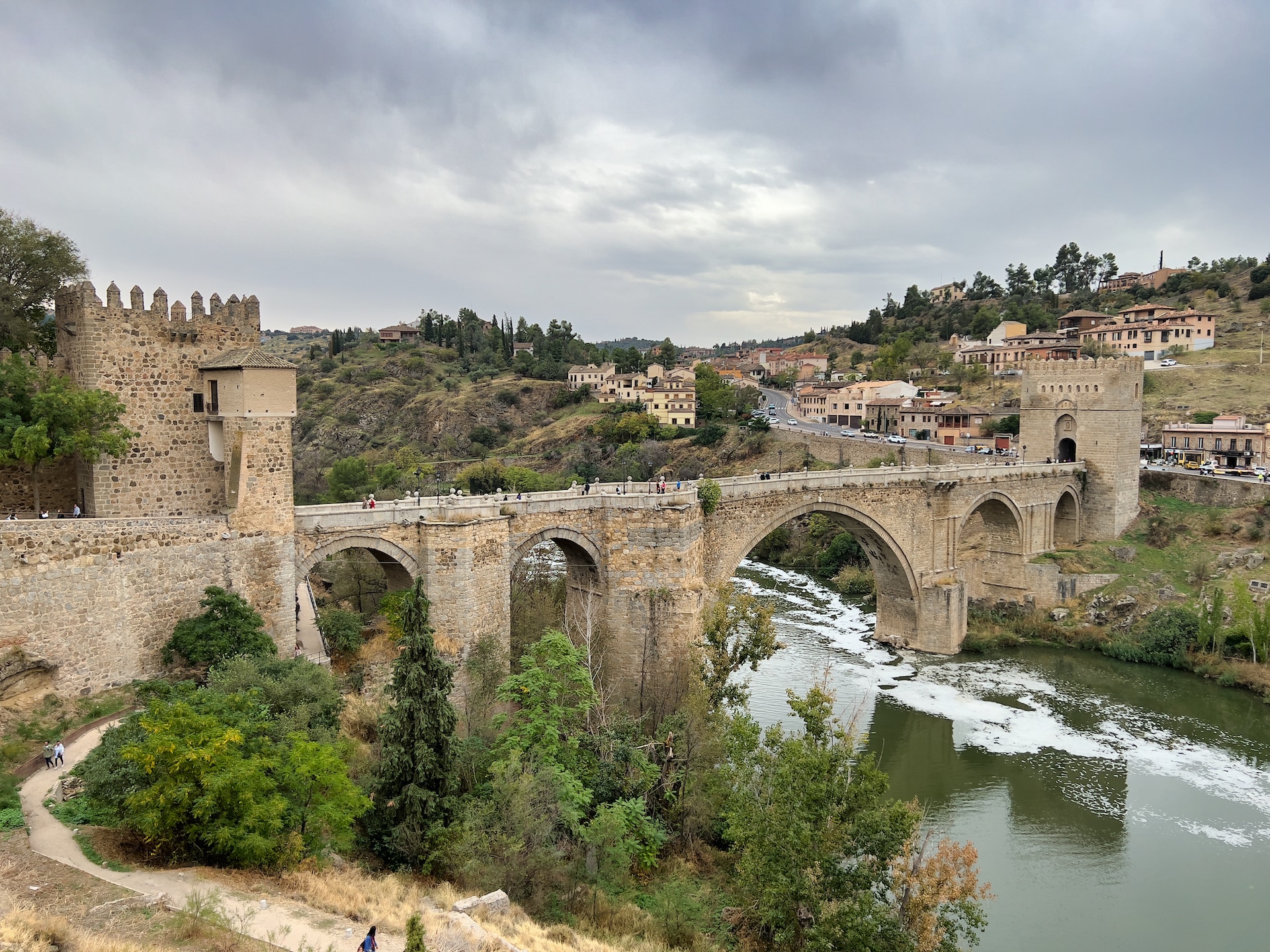
Embark on a train day trip to Toledo, a UNESCO World Heritage city, to delve into its rich history and cultural heritage.
Highlights
- For planning, the earliest outbound departure is 06:25 and the latest return departure is 21:37.
- Travel by Renfe AVANT train from Madrid-Puerta de Atocha-Almudena Grandes to Toledo station, with tickets starting from €11.
- Explore Toledo's historic Judería quarter, known for its narrow lanes and artisan shops.
Day 4: Travel to Seville & Explore Barrio de Santa Cruz
Journey by high-speed train from Madrid to Seville, then spend the afternoon discovering the charming Barrio de Santa Cruz.
Highlights
- Take a high-speed train from Madrid-Puerta de Atocha-Almudena Grandes to Sevilla-Santa Justa, with tickets from €14.
- Wander through the narrow lanes and intimate squares of Seville’s former Jewish quarter, Barrio de Santa Cruz.
- Enjoy the vibrant atmosphere and historic architecture of this iconic neighborhood.
Day 5: Seville's Royal Palaces and Cathedral
Dedicate a full day to Seville's most iconic landmarks, including its vast royal palace and impressive Gothic cathedral.
Highlights
- Explore the Royal Alcázar of Seville, a vast Mudéjar royal palace with ornate courtyards and gardens.
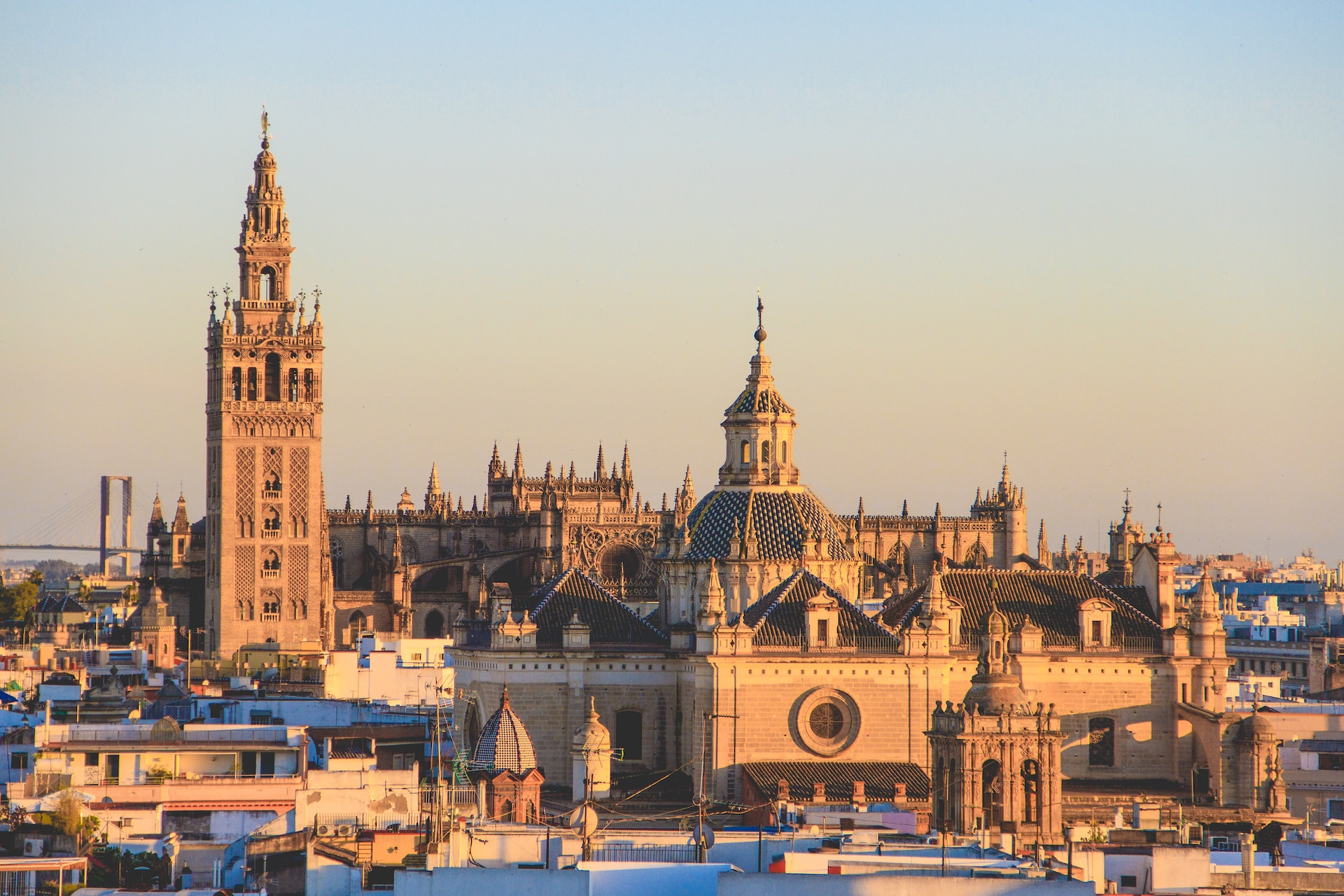
- Visit Seville Cathedral, a Gothic masterpiece housing major artworks and Columbus’s tomb.
- Climb La Giralda, the former minaret turned bell tower, for sweeping city views.
Day 6: Travel to Granada & Albaicín Exploration
Travel from Seville to Granada by train, then explore the historic Albaicín quarter and enjoy panoramic views from Mirador de San Nicolás.
Highlights
- Take a train from Sevilla-Santa Justa to Granada station, with tickets from €47.
- Wander through the Albaicín, Granada's historic hilltop quarter with Moorish heritage and classic views.
- Experience the famous sunset panorama of the Alhambra from Mirador de San Nicolás.
Day 7: Alhambra Visit & Depart Granada
Spend your morning exploring the breathtaking Alhambra and Generalife before departing from Granada.
Highlights
- Visit the Alhambra, a Nasrid palace-fortress complex famed for its ornate courtyards and gardens.
- Explore the Generalife, the beautiful summer palace and gardens of the Nasrid rulers.
- Depart from Federico García Lorca Granada-Jaén Airport (GRX) or Granada train station. Málaga Airport (AGP) is a popular alternative.