
 4.9
4.9 4.6
4.6Overview of high-speed trains in Italy
Italy is home to one of Europe's most advanced high-speed rail networks. Known locally as Alta Velocità (AV), high-speed trains in Italy connect major cities like Rome, Milan, Florence, Venice, Naples, Bologna and Turin in just a few hours. Because they travel from city-center to city-center, they are often much faster than flying once airport transfers are factored in.
Two operators compete fiercely on these routes: the state-owned Trenitalia with its Frecciarossa and Frecciargento trains, and the private operator Italo. The result: frequent departures, modern amenities, and highly competitive fares on Italy's busiest corridors.
Why choose high-speed trains in Italy?
- Speed: Reaching up to 300 km/h (186 mph), you can travel from Rome to Milan in under 3 hours.
- Convenience: Stations like Roma Termini and Milano Centrale put you right in the heart of the city.
- Comfort: Free Wi-Fi, power sockets, spacious leather seats, and multiple class options come as standard.
- Sustainability: Traveling by train produces a fraction of the CO₂ of an equivalent domestic flight.
The Italian high-speed rail network
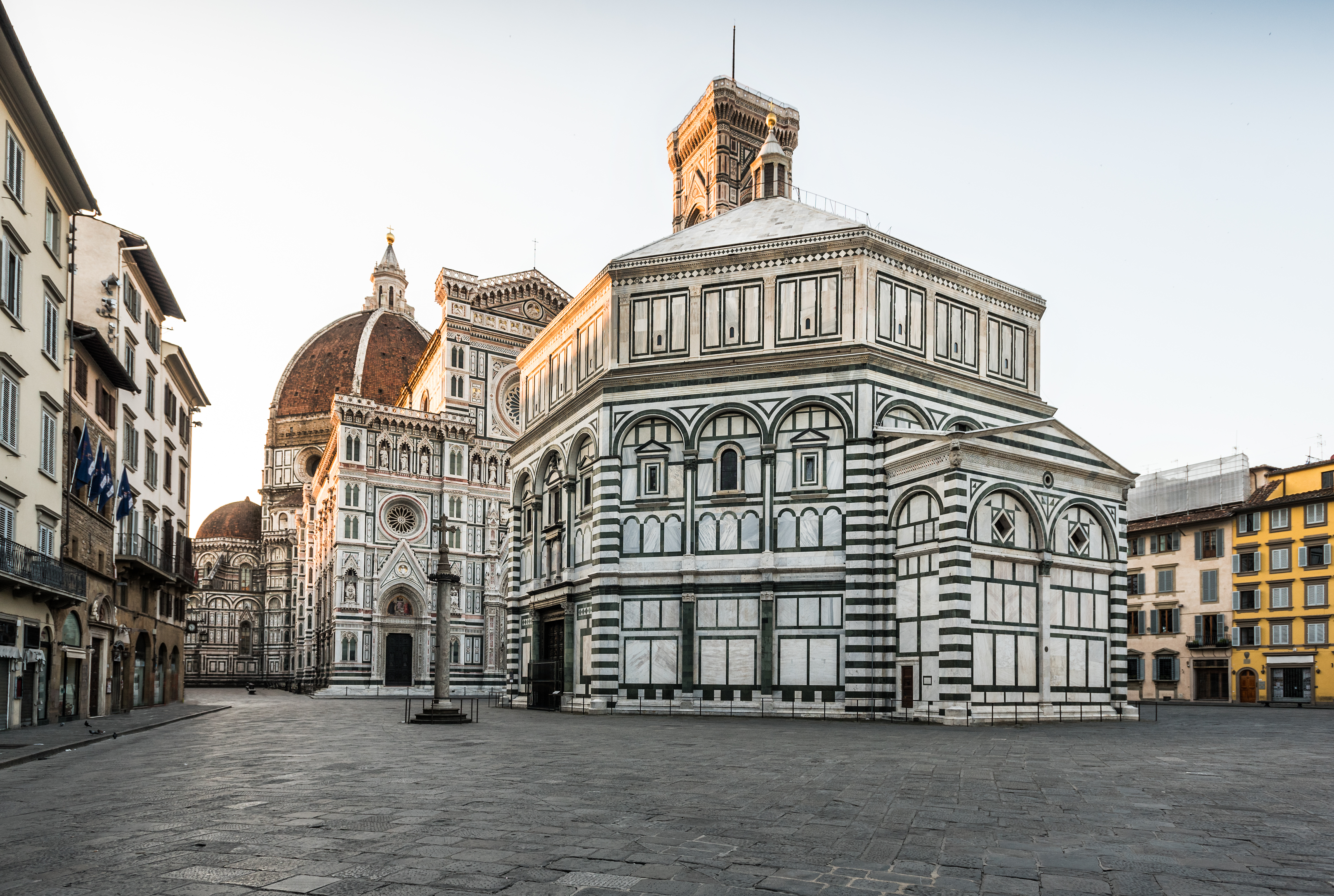
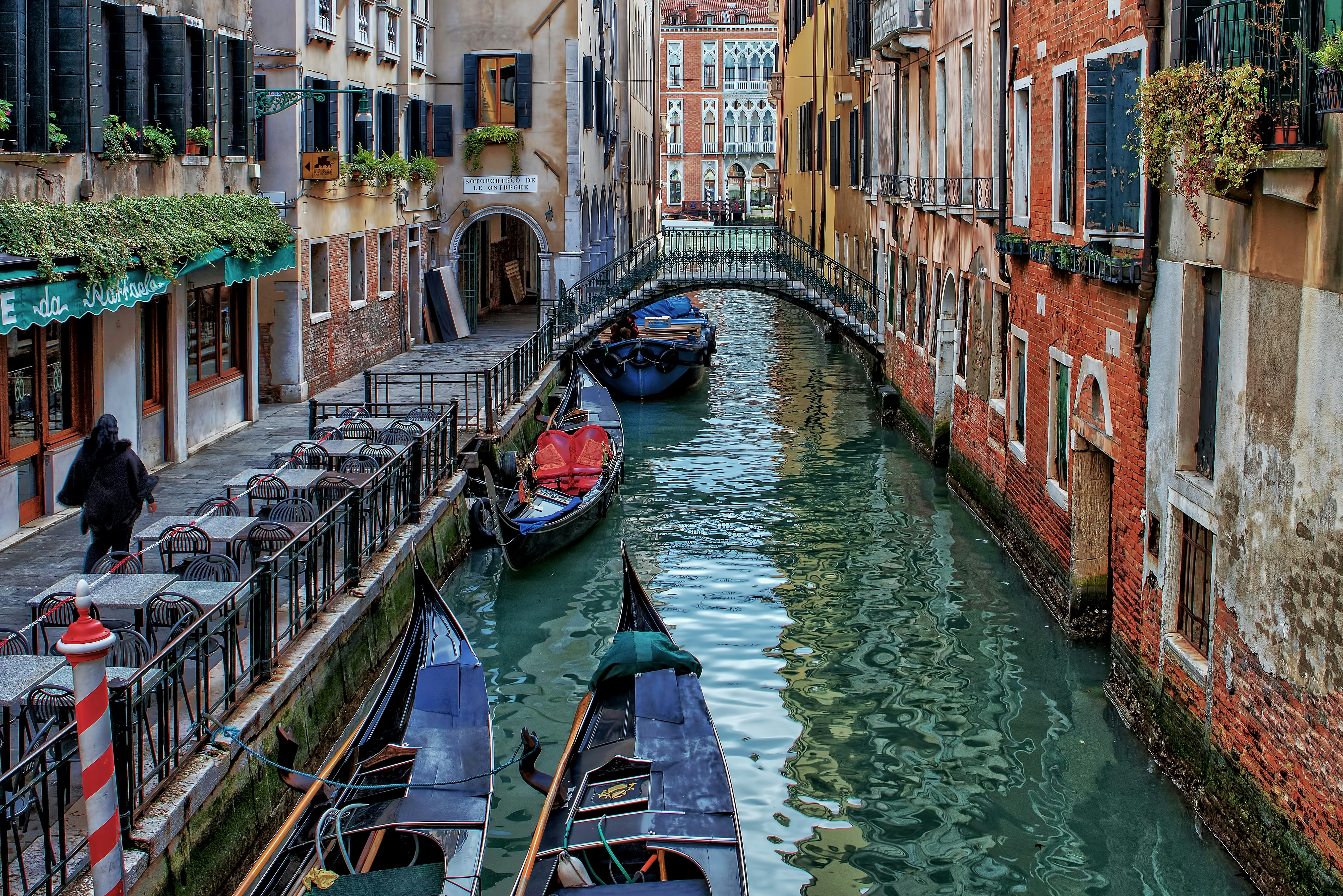
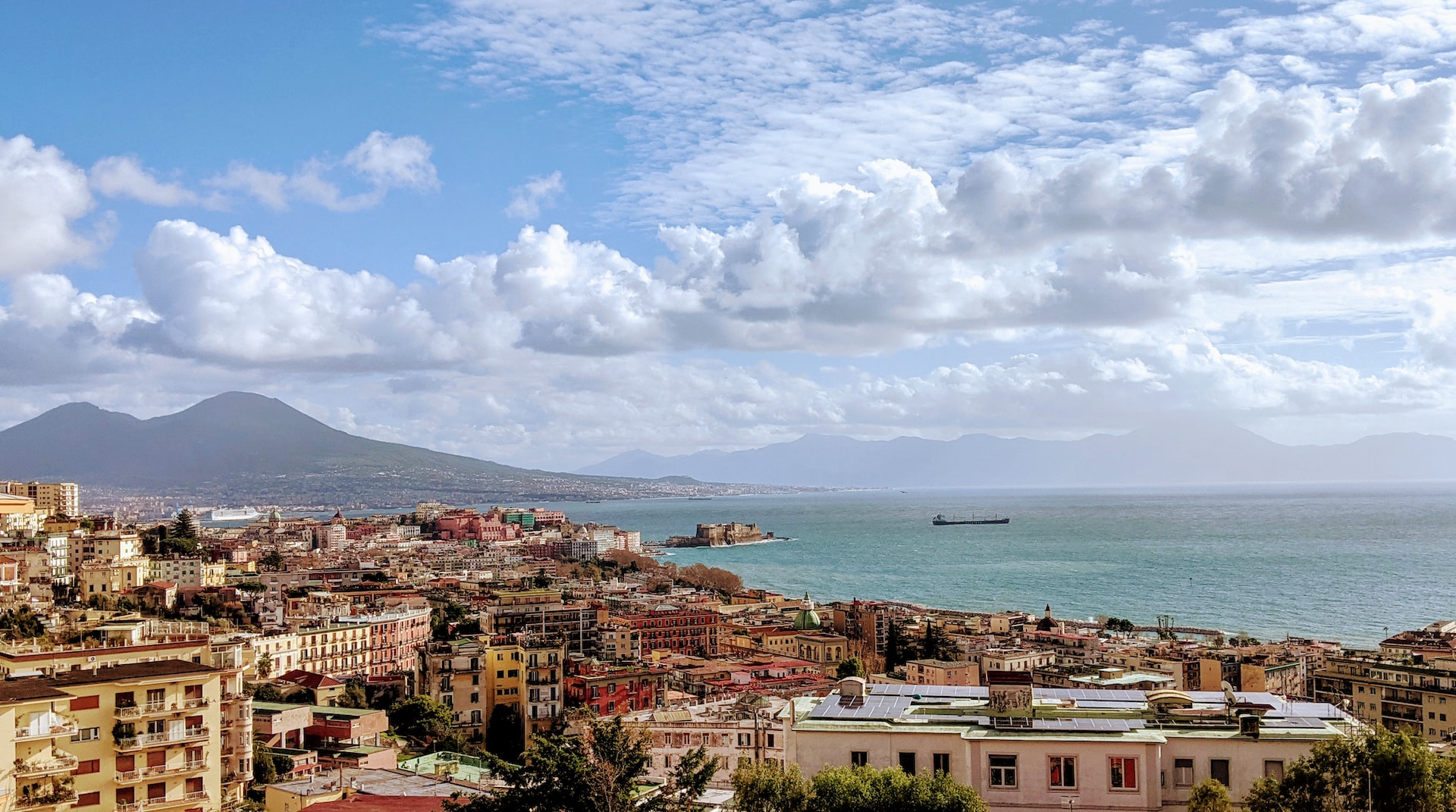
Where do high-speed trains go in Italy? Italy's Alta Velocità network covers around 1,467 km of dedicated high-speed lines, forming a massive "T-shape" that links the country's primary hubs.
The main north–south corridor runs Turin → Milan → Bologna → Florence → Rome → Naples → Salerno, while a vital eastern axis links Milan → Verona → Venice. Furthermore, these high-speed trains are designed to continue seamlessly onto upgraded conventional lines, allowing them to reach deeper regional destinations like Reggio Calabria, Bari, and Lecce without requiring passengers to change trains.

Italo vs Trenitalia: Which is better?
Italy is unique as one of the only European countries with full competition on high-speed rail. This gives travelers more choices, luxurious amenities, and better prices. But how do the two operators compare?
| Feature | Trenitalia (Frecciarossa) | Italo (NTV) |
|---|---|---|
| Network & Coverage | Extensive (connects to conventional lines reaching Sicily & the deep south). | Focused strictly on major cities & high-demand hubs (50+ cities). |
| Top Speed | Up to 300 km/h (Frecciarossa) | Up to 300 km/h (Italo AGV/EVO) |
| Ticket Classes | Standard, Premium, Business, Executive. | Smart, Prima, Club Executive, Salotto. |
| Vibe & Perks | The classic national carrier; features dedicated "Quiet Cars" and a bistro. | A modern, private fleet; features sharp promo fares and a unique "Cinema carriage." |

Popular high-speed routes in Italy
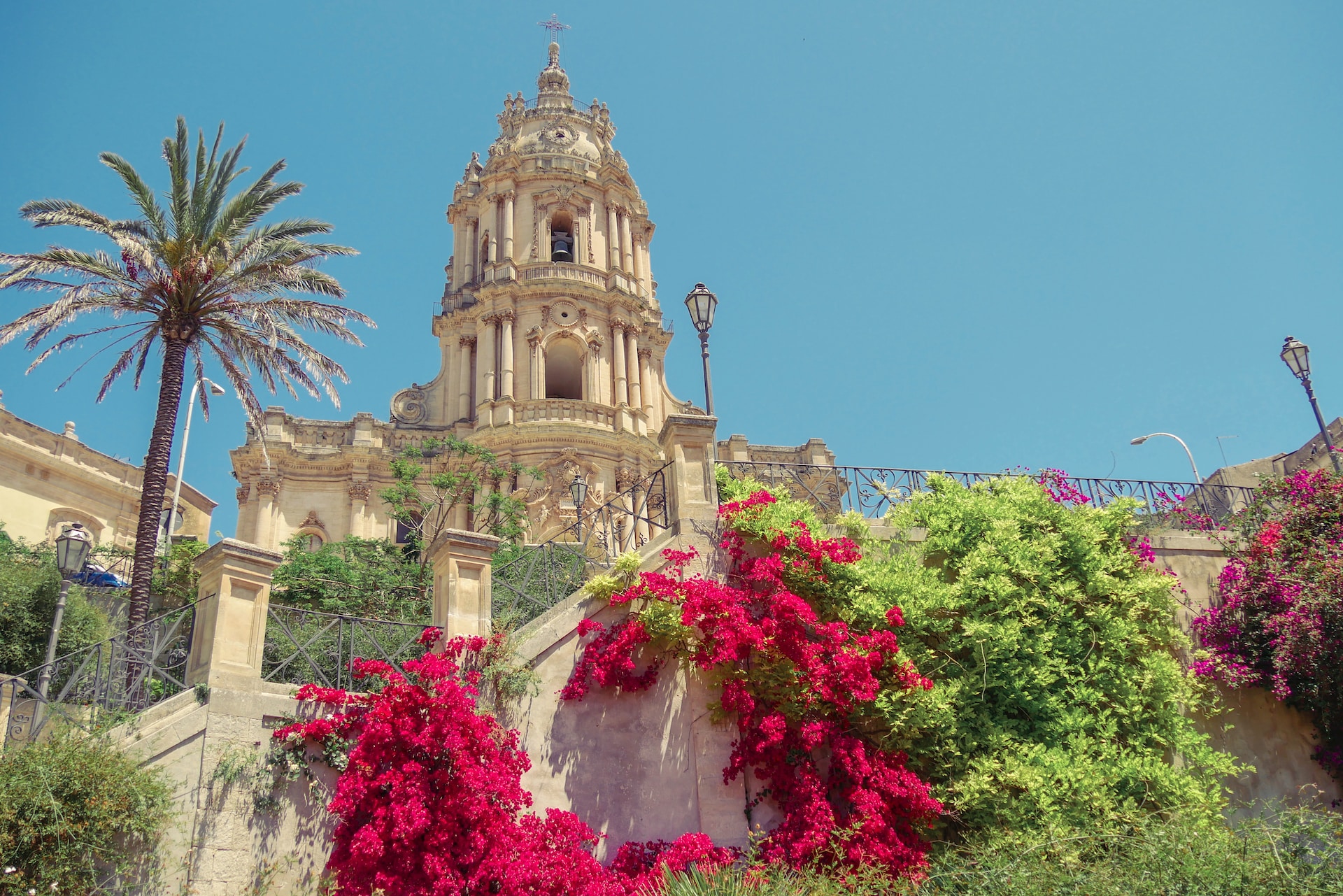
The busiest corridors on Italy's high-speed network connect the country's economic and tourism hubs. Here are the routes Italians and visitors book most:
- Rome → Florence: Italy's busiest high-speed route. A quick hop with frequent departures throughout the day.
- Rome → Milan: The classic business corridor. Direct non-stop services connect the two largest cities in under 3 hours.
- Milan → Venice: Northern Italy's main east-west axis with multiple Frecciarossa and Italo options daily.
- Rome → Naples: The fastest-growing corridor. A short, lightning-fast hop into southern Italy.
- Florence → Venice: A direct high-speed link between two of Italy's most-visited historical cities.
- Milan → Rome: Reverse direction, equally frequent and highly competitive.

How to book high-speed train tickets in Italy
Omio is the only platform where you can compare Trenitalia and Italo side-by-side in English. Filter live schedules by price or duration, and securely complete your booking in your preferred home currency (including USD, GBP, and EUR) so you don't face unexpected bank conversion fees. Tickets are stored digitally in the Omio app, meaning there is absolutely no need to queue at the station—just scan your phone and board.
Booking Tip: High-speed fares in Italy are dynamic. The cheapest tickets ("Super Economy" on Trenitalia and "Low Cost" on Italo) typically appear 3 to 4 months before departure and sell out quickly.
Frequently Asked Questions
The premier high-speed trains—Trenitalia's Frecciarossa and Italo's AGV fleet—can reach top commercial speeds of 300 km/h (186 mph) on the dedicated Alta Velocità lines between Turin, Milan, Florence, Rome, and Naples. Trenitalia's secondary high-speed tier, Frecciargento, reaches speeds up to 250 km/h.
Both offer incredibly fast, comfortable, and reliable service. Trenitalia operates a larger fleet with more frequent departures and reaches deeper regional destinations. Italo, as a private competitor, often offers highly competitive promotional fares, sleek ultra-modern carriages, and unique perks like a cinema car. The best approach is to compare both side-by-side on Omio and choose the schedule and price that fits your itinerary.
Yes. Seat reservations are strictly mandatory on all high-speed services (Frecciarossa, Frecciargento, and Italo). When you book your ticket through Omio, your specific carriage and seat number are automatically included in the ticket price.
No. The famous Venice Simplon-Orient-Express, which occasionally travels through Italy to Venice or Florence, is a luxury heritage train. It travels slowly intentionally to allow guests to enjoy the scenery, vintage dining, and luxurious sleeper cabins. It is not part of Italy's modern Alta Velocità commuter network.
High-speed train operators in Italy use dynamic pricing. To secure the lowest fares, book as far in advance as possible (tickets generally go on sale 3 to 4 months ahead). Cheaper fare tiers will sell out as the departure date approaches.