From Ljubljana to Reykjavik, millions of travellers admit fear of getting it wrong is stopping them from seeing the world. Omio and language expert Alex Rawlings are helping travellers to journey more confidently, one place name at a time.
Travellers Avoid Places They Can't Pronounce
Third-party research reveals that millions of travellers are limiting where they go on holiday due to a surprisingly simple barrier: not knowing how to pronounce their chosen destination. The fear of saying a destination incorrectly creates anxiety before a trip has even begun.
The numbers behind the hesitation
| Stat | What it means |
|---|---|
| 45% | of travellers admit they'll avoid booking a destination they can't confidently pronounce |
| 58% | want to improve their pronunciation before visiting a new destination |
| 42% | use AI tools or search engines to help pronounce destinations before travelling |
| 27% | say not knowing pronunciation has limited the range of places they consider visiting |
| 26% | won't even search for a destination they're not sure how to spell |
| 26% | are less likely to visit a destination if they can't confidently pronounce it |
| 23% | worry about sounding rude when pronouncing a destination incorrectly |
| 22% | fear getting the pronunciation wrong |
| 21% | fear the embarrassment of being corrected |
| 21% | stick to destinations they already know how to say out loud |
From the UK to the US, Germany, Spain and Italy, travellers across the world say unfamiliar place names can feel intimidating — even when the destination itself is unforgettable.
Meet Our Renowned Language Expert

Alex Rawlings · Polyglot and language expert
Born in the UK and today living in Athens, Alex Rawlings is a polyglot and language expert known for speaking and studying more than eleven languages fluently. Together with Omio, he's helping travellers feel more confident pronouncing unfamiliar destinations and be inspired to visit them.
"Pronunciation can feel like a barrier, but it doesn't need to be perfect. The key is to focus on the sounds rather than trying to replicate every letter exactly. Even a small effort is often appreciated by locals and can help travellers feel far more confident when exploring a new destination."
— Alex Rawlings
7 Expert Tips for Pronouncing Destinations with Confidence
1. Don't read it like your own language
Even when languages use the same alphabet, letters often sound completely different. In German, Dutch, Scandinavian and many Eastern European languages, "j" is pronounced like a "y", while in French, Portuguese and Catalan it becomes a soft "zh" sound.
2. Focus on the stress
Getting the emphasis on the right syllable is often more important than perfect pronunciation. Think about the word Birmingham — people are far more likely to understand "BIR-ming-ham" than "bir-MING-ham", even if the individual sounds aren't perfect.
3. Use technology to help
If you can't ask a local, use tools like AI or Google Translate's listen function to hear pronunciations and identify unfamiliar sounds or stress patterns.
4. Learn the pattern
Many languages follow consistent pronunciation rules, meaning once you learn one pattern, you can apply it to lots of other place names too. In French, Spanish, Italian, Portuguese and Catalan, for example, the letter "c" is pronounced like a "k" before "o", "a" or "u", but changes sound before "i" or "e" — becoming "ch" in Italian, "th" in Spain, and "s" in French and Portuguese.
5. Some letters are silent
French is famous for silent letters, especially at the ends of words. That's why places like Calais and Bordeaux are pronounced much more simply than they look. As a rule of thumb: if you're in France and not sure whether you should pronounce the letter at the end of a word, you probably shouldn't.
6. Don't let language put you off
Some of the world's most exciting destinations — from Poland to Thailand — can also be the hardest to pronounce. Don't let unfamiliar names stop you from exploring somewhere new.
7. Don't be afraid to get it wrong
Nobody expects perfect pronunciation — locals usually appreciate the effort more than accuracy. You might make a few mistakes, and you might earn yourself a few knowing smiles. But give it a go, and see for yourself what worlds you might unlock.
A Pronunciation Guide for Curious Travellers
These phonetic spellings are designed to help English-speaking travellers feel more confident saying unfamiliar destination or location names while travelling. We've picked eight of Europe's most beautiful — and most mispronounced — places.
Ljubljana, Slovenia — lyoo-BLYAH-nah

Reykjavik, Iceland — RAKE-yah-vik
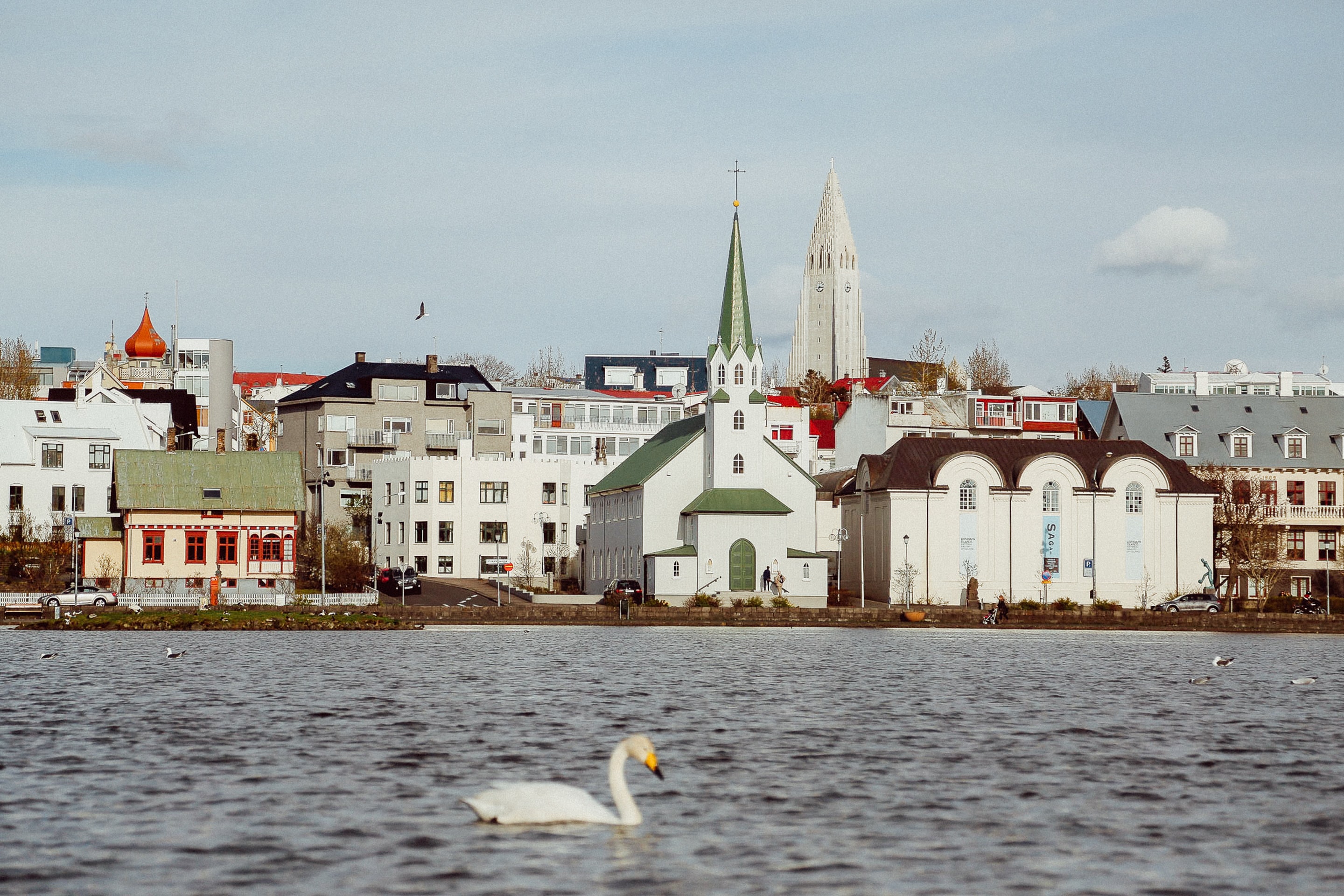
Italy and Croatia offer two more place names that look more intimidating than they sound. A small pronunciation rule unlocks each one.
Cinque Terre, Italy — CHIN-kwe TE-rre
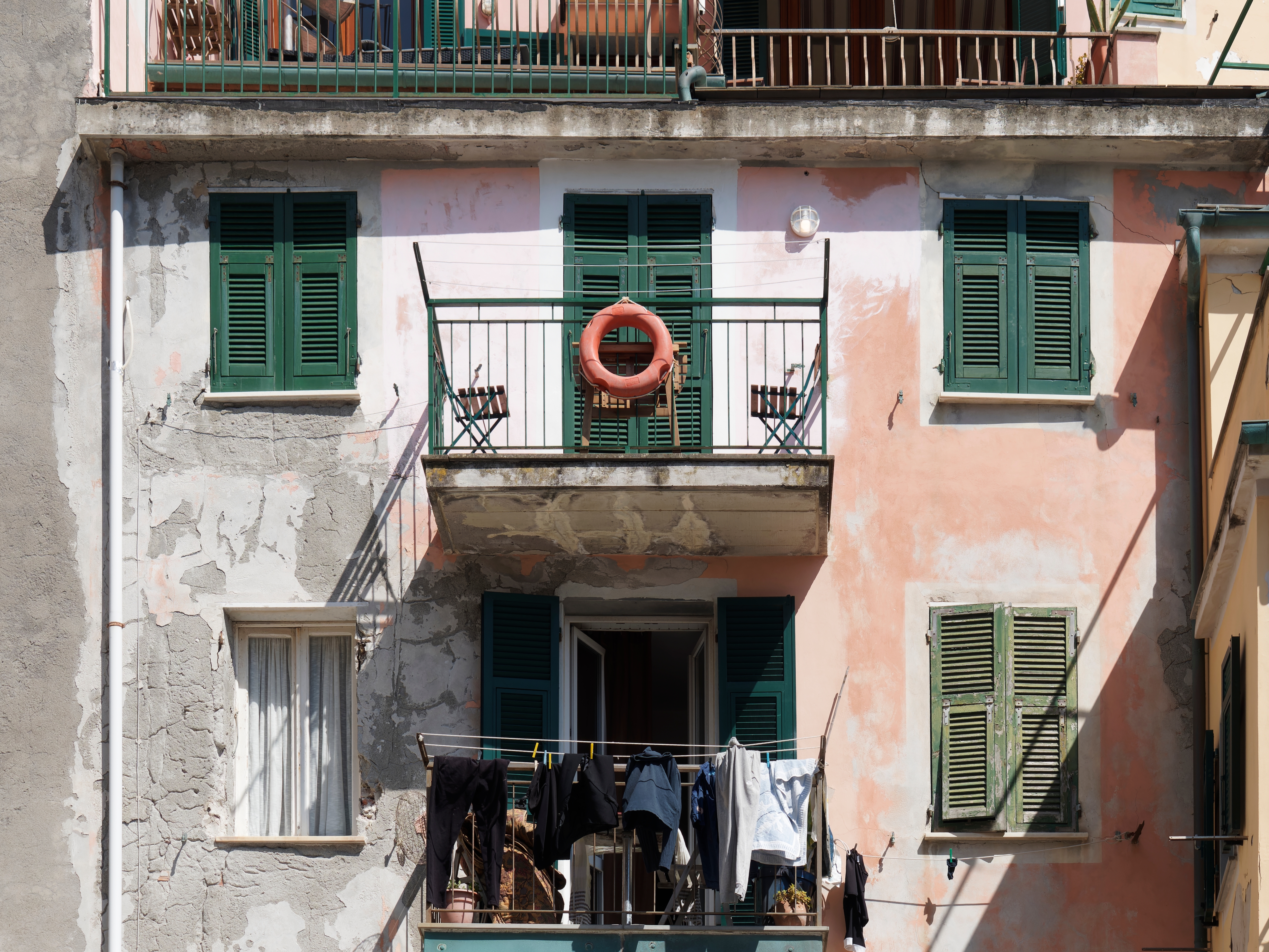
Dubrovnik, Croatia — doo-BROV-nik

Heading further north and south, two destinations with very different sound rules — but both far easier than their spellings suggest.
Gdańsk, Poland — k-DICE-k

Fuerteventura, Spain — fwer-te-ven-TOO-ra
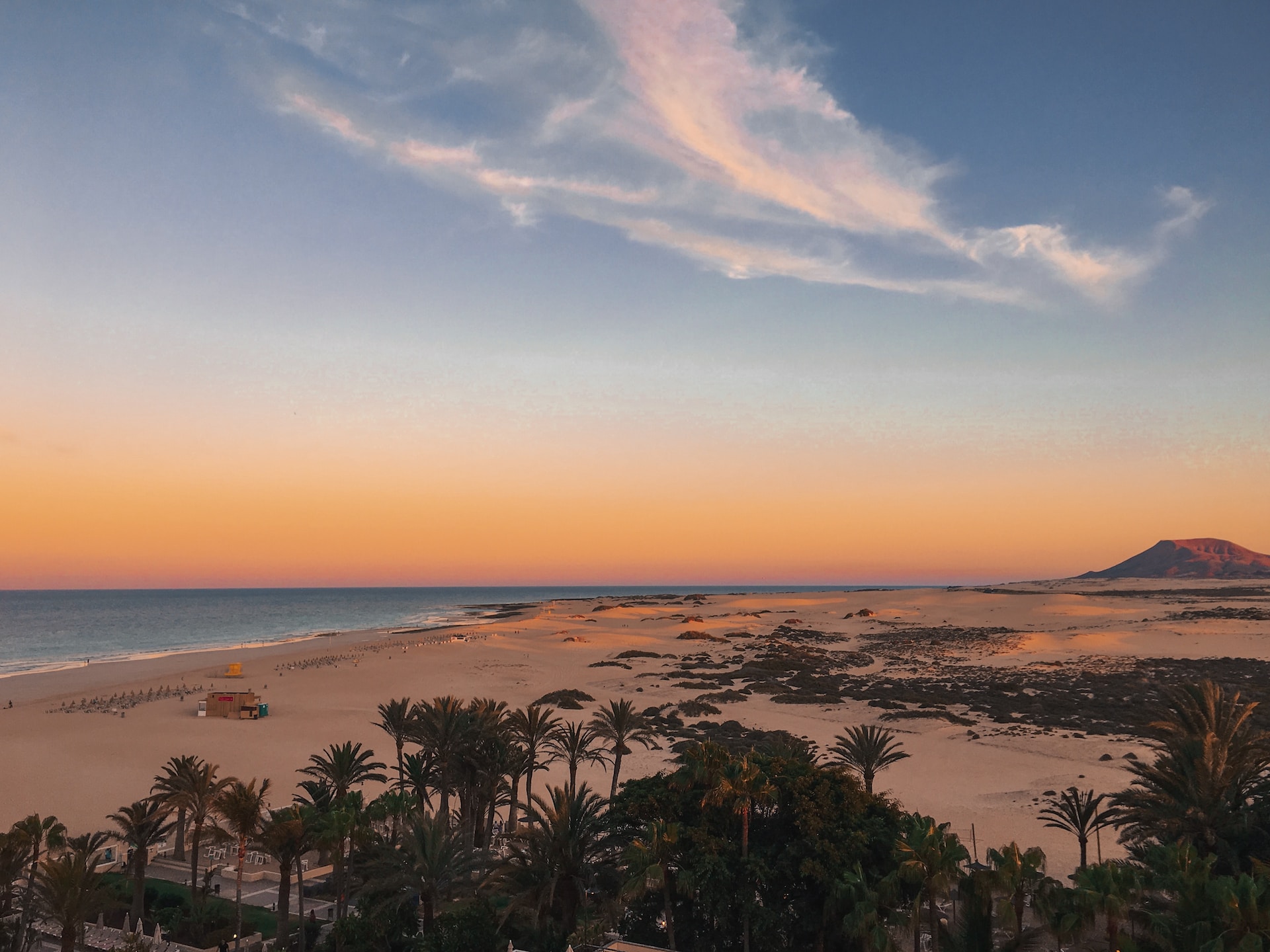
Finally, two destinations where French and Catalan rules make the place names sound nothing like they look.
Chamonix, France — sha-mo-NEE
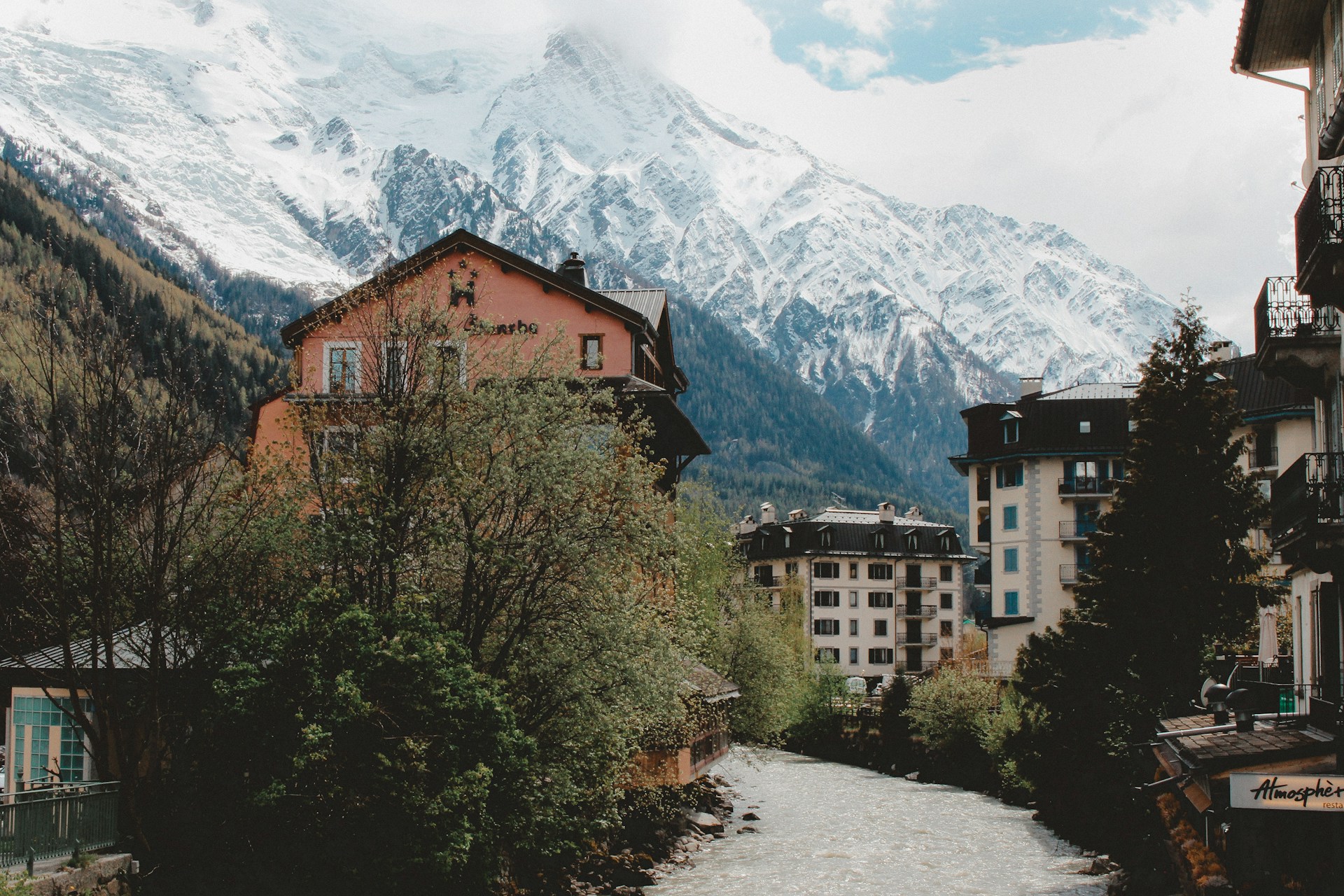
Montjuïc, Barcelona — mon-zhwEEK

Take the Guide With You
Get Omio's pronunciation guide featuring Alex Rawlings' expert language tips. Perfect for planning your next trip — or finally learning how to say Ljubljana properly.
At Omio, we believe travel should feel exciting, not intimidating. By helping travellers feel more confident navigating unfamiliar destinations, we hope to make exploring the world feel a little more accessible — one train, bus, flight or ferry at a time.
Frequently Asked Questions
Research shows that 45% of travellers admit they'll avoid booking a destination they can't confidently pronounce. The most common reasons are worry about sounding rude (23%), fear of getting it wrong (22%), and embarrassment (21%). For many, the discomfort starts before the trip is even booked — turning what should be excitement into hesitation.
Some of Europe's most beautiful destinations are also the trickiest to say out loud. Ljubljana in Slovenia, Reykjavik in Iceland, Gdańsk in Poland and Montjuïc in Barcelona consistently rank among the most challenging for English-speaking travellers, mostly because of unfamiliar letter combinations or letters that don't sound how they look.
Ljubljana is pronounced lyoo-BLYAH-nah. The "j" is pronounced like a "y", which is the same rule across most Slavic, German and Scandinavian languages. Once you know that, the word flows much more easily than it appears on paper.
Place names often follow the rules of their local language, which may differ dramatically from English. Catalan, Polish, Icelandic and Slovenian use letters and combinations that look unfamiliar to English speakers — but each language has consistent rules. Learning one or two patterns (like "j = y" in Slavic languages) unlocks dozens of place names at once.
Alex Rawlings recommends three things: focus on the stress pattern first (which syllable to emphasise), learn the language's pronunciation pattern rather than the individual word, and use AI tools or Google Translate's listen function to hear it spoken aloud before you go.
Almost never. Locals usually appreciate the effort more than the accuracy. As Alex Rawlings puts it, "even a small effort is often appreciated by locals and can help travellers feel far more confident when exploring a new destination." A few mistakes might earn you a knowing smile — they won't ruin your trip.
42% of travellers already use AI tools or search engines to help pronounce destinations before travelling. AI assistants and Google Translate's listen function let you hear a place name spoken aloud, identify the stress pattern, and practise before you arrive — turning a moment of anxiety into a moment of preparation.
Confidence with place names changes how you experience a destination. 27% of travellers say not knowing how to pronounce destinations has limited the range of places they consider visiting — meaning pronunciation isn't just a small detail, it's quietly shaping where people go. A little practice opens up a much bigger world.