
 4.9
4.9 4.6
4.6The most popular way to travel from Italy to Spain
The most popular way to travel between Italy and Spain is by plane. Flights from Italy to Spain are faster than buses and trains by a significant margin. They’re also more expensive, but for many travelers, the extra cost is worth it. The best option for you will vary based on your goals and budget.
Flights from Italy to Spain
Non-stop flights from Italy to Spain typically take around two to three hours to complete. For example, flying from Rome to Madrid will take around 2 hours and 35 minutes. That’s the fastest way to get between these two cities by far. It’s a similar story for most other flights between Italy and Spain.
Buses from Italy to Spain
Buses from Italy to Spain are a good option for more budget-conscious travelers. Bus tickets from Italy to Spain are the most affordable way to get between these two countries, but your travel time can last a day or more.
Trains from Italy to Spain
Trains from Italy to Spain are middle-ground options that may appeal to some travelers. They’re typically faster than buses and more affordable than flights. However, the distance from Italy to Spain by train is quite long, so your journey will still take up most of your day.
Cheapest tickets to travel from Italy to Spain
If your main goal is to find the cheapest tickets from Italy to Spain, buses are going to be your best option. They provide the most affordable way to travel between most Italian and Spanish cities, although trains may be more affordable in some circumstances.
That being said, bus tickets from Italy to Spain typically require one or more transitions. As a result, you likely can’t sleep throughout the journey, as you would if taking a bus between other European cities with a direct route.
How many hours do I need to travel from Italy to Spain?
The amount of time that it takes you to travel from Italy to Spain depends on where you’re going, where you leave from, and the method of transportation that you use.
For example, a flight from Rome to Ibiza will take around 2 hours. But if you take a bus from Rome to Madrid, it could take you as long as 36 hours to finish that journey.

Stunning Architecture in Cordoba, Spain. Source: Shutterstock
What companies run services between Italy and Spain
Spain and Italy are two of Europe’s most popular countries for tourists. This means there are many different providers to choose from, regardless of whether you prefer traveling by train, bus, or plane.
Train providers
Trenitalia is the best railway company for trains from Italy to Spain. This company is owned by the Italian government and has the most routes and ticketing options to choose from, which makes it much easier to customize your trip based on your preferences and budget.
Bus providers
If you’re interested in taking a bus from Italy to Spain, then FlixBus may be your best option. However, you should know that Flixbus doesn’t offer many direct routes between Italy and Spain. You will likely have to change buses at some point along the way.
Airlines
Finally, if you want to fly from Italy to Spain, then Iberia is worth a look. This company offers some of the most affordable tickets and the most consistent routes between Spain and Italy.
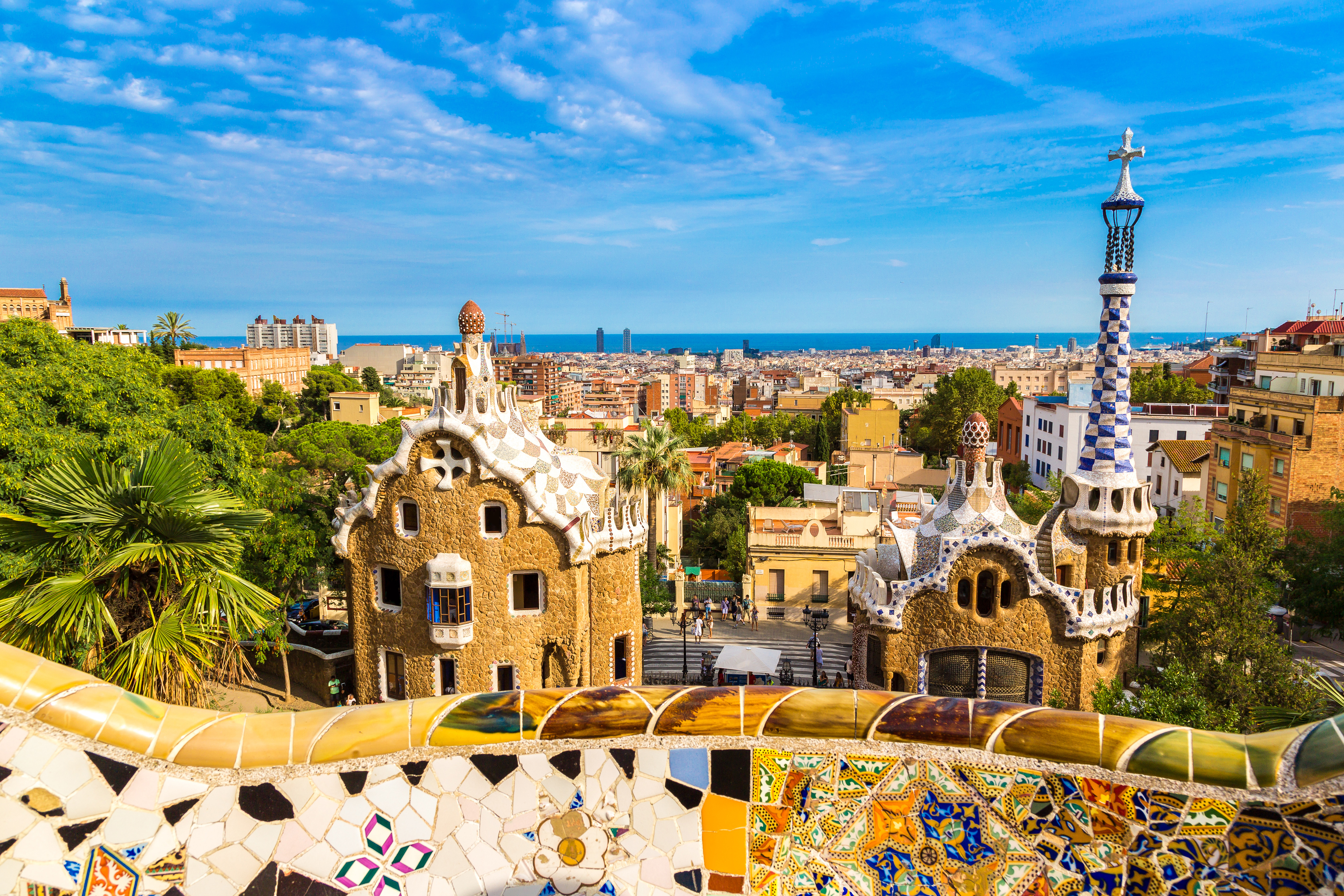
Beautiful Park Guell in Barcelona, Spain. Source: Shutterstock
The most popular routes from Italy to Spain
- Rome to Madrid may be the single most popular route from Italy to Spain. It takes 2 hours and 35 minutes to fly, 28 hours and 21 minutes to travel by train, and one day and 14 hours to travel by bus. Flying is far and away the best option for this route.
- Milan to Madrid is another exceptionally popular route. Flying from Milan to Madrid takes around 2 hours and 25 minutes, trains will take 22 hours and 35 minutes, and buses take 23 hours and 25 minutes on average.
- Florence to Valencia is another route where flying is the best option. Flights take 2 hours and 4 minutes, trains take 30 hours and 29 minutes, and buses take 26 hours and 35 minutes on average.
- Rome to Barcelona is a common route that gives you some of the most options when traveling out of Italy and arriving in Barcelona. Flights take 1 hour and 50 minutes, trains take 14 hours and 34 minutes, and buses take an average of 20 hours and 30 minutes.
- Rome to Ibiza is becoming increasingly popular as more people seek to travel to Ibiza. The only way to make this journey is by flying since Ibiza is an island. The flight from Rome to Ibiza takes around 1 hour and 58 minutes to complete.
The most popular stations for departure in Italy and arrival in Spain
The stations you use while traveling from Italy to Spain can have a big impact on the available routes and the prices you pay. As a general rule of thumb, departing from major transportation hubs is typically more affordable and faster, since companies maintain dedicated direct routes between these stations.
With that in mind, here are some of the most popular stations for departure in Italy and arrival in Spain.
- Rome Flumicino Airport is the main commercial airport in Rome. It’s where you’ll find the most flights departing Italy and arriving in Spain. You’ll also find some of the best value if you fly out of this airport.
- Rome Termini is the main railway station in Rome. It’s a good place to look if you’re interested in traveling by rail from central Italy to Spain. You’ll find a wide variety of departures and some interesting routes that give you an opportunity to sightsee along the way.
- Madrid Barajas Airport is the city of Madrid’s airport and the main airport in Spain. It has the most arrival flights from Italy, and some of the most affordable plane tickets between Italy and Spain arrive at this busy airport.
- Barcelona El Prat Airport is the airport in Barcelona. If you want to visit Barcelona and depart from Italy, then flying into El Prat is likely going to be the easiest way to do it.
- Ibiza Airport is the last major station on our list. It’s the only major option for traveling to Ibiza from Italy. So if you want to go to the island of Ibiza, you’re almost definitely going to land here.
Destinations & highlights in Spain
Every part of Spain has something unique to offer. From nature escapes to bustling cities with plenty of nightlife, the country truly has something to offer everyone. But if you’re focused on visiting just one or two cities, these are the destinations and highlights in Spain that you can’t miss.
- Madrid is a world city with countless things to explore. There are beautiful outdoor parks where you can lounge in the sun with friends, historical architecture, a wide range of restaurants, and enough shopping to fill your suitcase ten times over. Another favorite thing to do is to rent a bike and peddle across Madrid to experience the city as a local.
- Barcelona is an ideal destination if you want to spend some time at the beach without sacrificing the comforts of a major city. Barcelona has miles of coastline 10 minutes from the city. You can spend your days there and then head downtown when the sun goes down to enjoy some of the city’s many dining and nightlife destinations.
- Ibiza is an island unlike any other. It’s home to some of the most exclusive and luxurious nightclubs and restaurants in Europe. It’s also an island with miles of pristine coastline and beaches to explore during the day. If you want to party in Spain, it’s hard to pass up Ibiza.
- Valencia is an underrated Spanish city with tons to offer tourists. You can walk through the Central Market of Valencia and shop for local handmade and artisanal crafts and foods. Alternatively, check out the Ciudad de las Artes y las Ciencias for one of the best museum experiences in Europe.
- Seville is another underrated Spanish city that has a lot going on. It’s known for its unique architecture, tapas, and flamenco dancing. If these are the kinds of things that you will be looking for during your trip to Spain, then make sure you add the city of Seville to your itinerary.
Best time to travel from Italy to Spain
Spain is known for having sunshine and good weather for most of the year. That means there’s really not a bad time to visit if you want to spend time outdoors. However, the summer months of June, July, and August tend to be the busiest. These months are also when ticket prices and accommodations are the most expensive.
That’s why most people recommend visiting Spain from either March to May or September to November. During both these periods, you’ll still get to enjoy the good weather. You’ll just save some money while doing so and avoid some of the country’s largest crowds.